All States
Toshiba America Foundation Grant
Eligibility
- Classroom teachers serving students in grades 6–12 may apply online.
- Funding is usually directed to K–12 schools; grants are not made to individuals.
- Educational nonprofits and universities working with K–12 teachers are occasionally considered but should contact the foundation before applying.
- A school may not hold more than one Toshiba America Foundation grant at a time.
- Previous grantees may not submit a new application until their final report has been approved.
Goals
- Support innovative classroom STEM teaching and learning.
- Advance project-based learning with measurable student outcomes.
- Help teachers test new, different, or creative approaches to engaging students in STEM.
- Fund extraordinary project expenses that ordinary school budgets may not cover.
- Prioritize the anticipated quality, reach, and instructional impact of the proposed project.
Application Due Date
- Grades K–5 | Up to $1,000: October 1, 2026
- Grades 6–12 | Requests under $5,000: September 1 and December 1, 2026
- Grades 6–12 | Requests over $5,000: November 1, 2026
- Application deadlines recur throughout the year. Review the Toshiba America Foundation website after December 2026 for the published 2027 schedule.
Allowable Purchases
- Project-specific equipment or materials required to implement an innovative classroom STEM project.
- Supplies that enable hands-on, project-based learning with defined and measurable student outcomes.
- Expenses outside ordinary school budgets that are essential to STEM instructional learning.
Aligned grant initiative to LEGO® Education Solutions
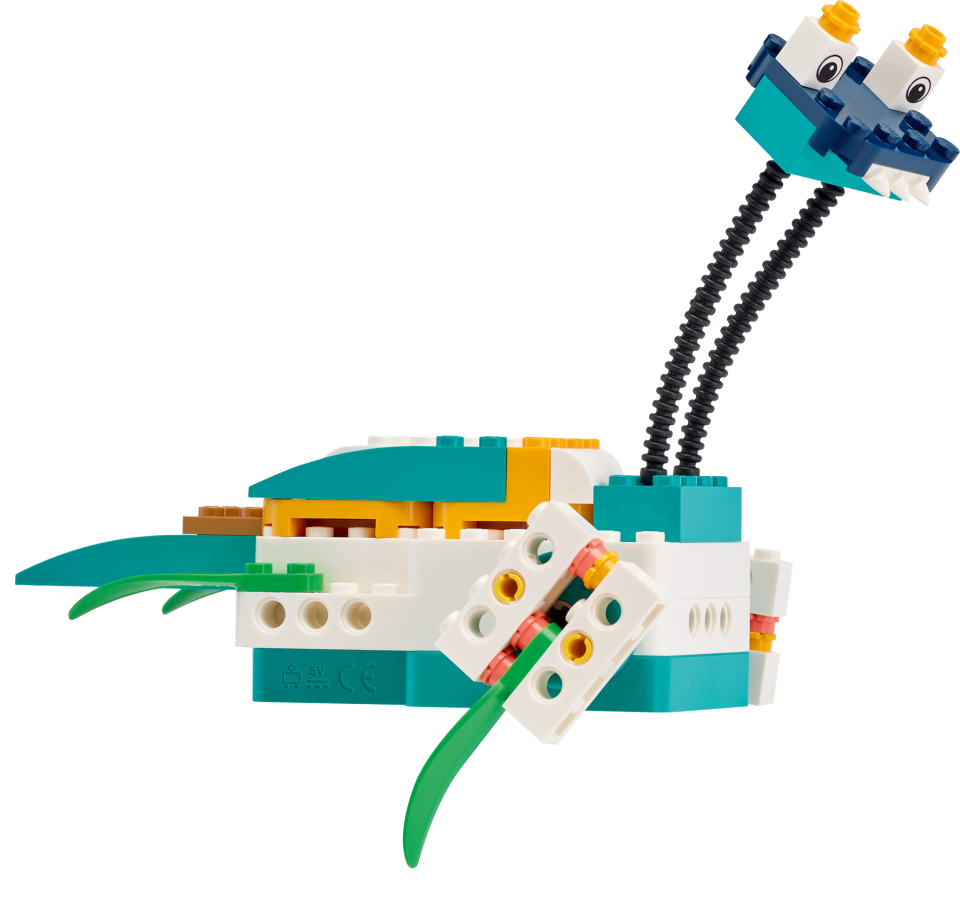
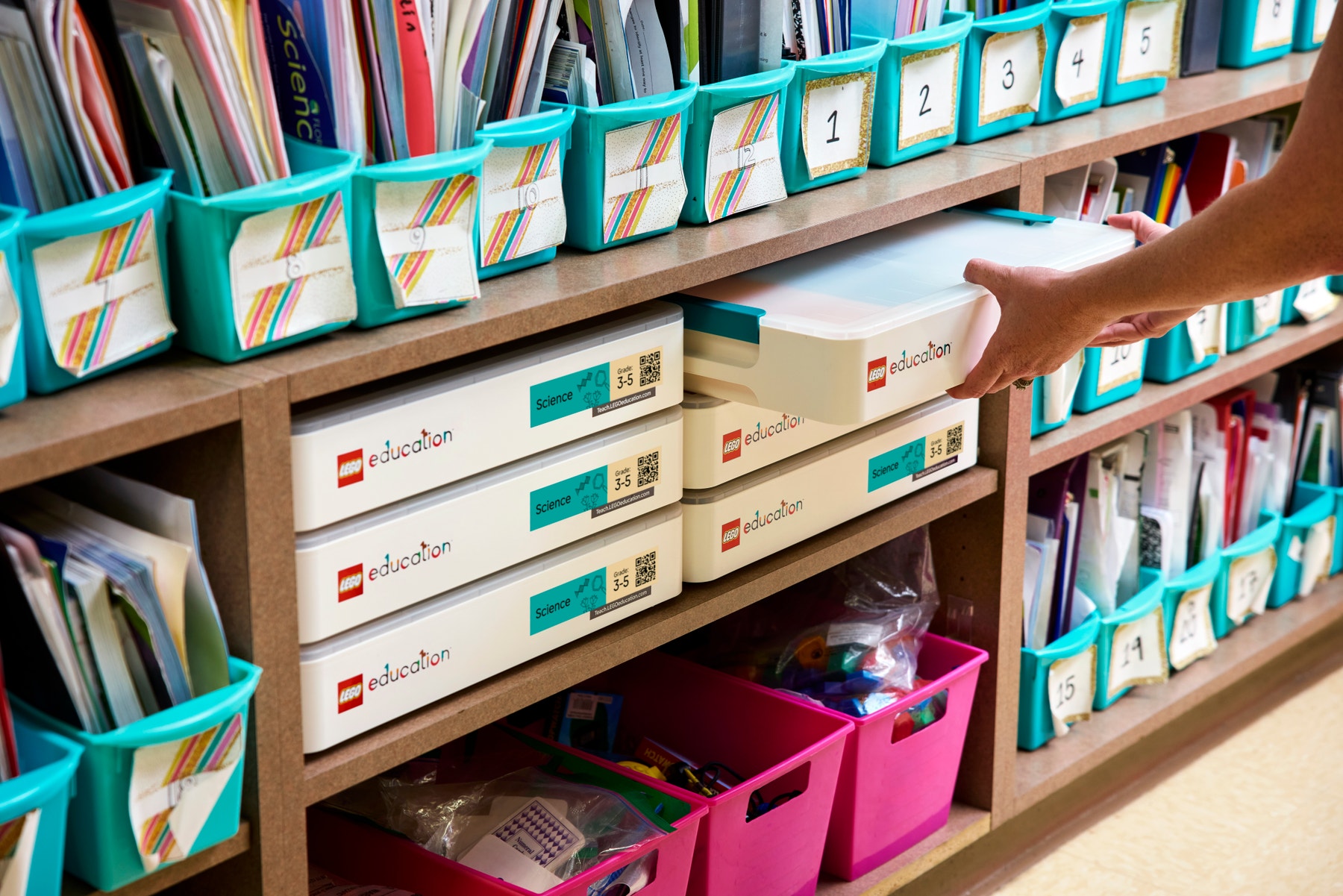
- LEGO® Education Science for grades 6–8 aligns with classroom projects centered on hands-on scientific inquiry, engineering design, collaborative investigation, standards-aligned learning, and measurable student understanding.
- LEGO® Education Computer Science & AI for grades 6–8 aligns with curriculum-based projects focused on coding, computational thinking, problem decomposition, data, functions, variables, and responsible AI literacy.
Program Implementation Requirements
- Applications must describe a specific, well-defined project with measurable student outcomes.
- Applicants should define who the project will affect, how participants will be affected, and how the project’s impact will be evaluated.
- Activities should be implemented as project-based STEM learning during regular classroom instruction.
- Toshiba evaluates applications through the lens of its core values — Do the Right Thing, Look for a Better Way, Always Consider the Impact, Create Together — so strong applications should align with:
- Look for a better way: Explain what makes your project new, different, or creative compared to your everyday approach — and what specific costs your regular school budget wouldn't normally cover
- Consider the impact: Describe who your project reaches and how — not just the number of students, but how it might change the way they learn, engage other grade levels, colleagues, families, or even the wider school community
- Create together: Toshiba genuinely wants to know the story behind your idea, not just a materials list — this is a foundation that values a personal connection with the teachers it funds
- Grantees must complete the foundation’s final-reporting requirements before submitting another application.
Keep in Mind
- Grants are awarded to your school, not directly to individuals — work with leadership to make them aware of your project and next steps.
- Frame your project as a classroom-based, standards-aligned STEM experience with hands-on building, sensors, and clear student learning goals — this is exactly what reviewers are looking for.
- Request a Quote today to get pricing aligned to the relevant grant total and to help strengthen your application.
- Toshiba has funded teachers since 1991 and values getting to know the educators behind each project — don't be afraid to let your passion for the idea come through in your narrative, not just the budget.
- Toshiba shares helpful guidance on what they look for in a strong application — use the link at the top of the page to access, worth a read before you start writing.
Ready to bring LEGO® Education to your district?